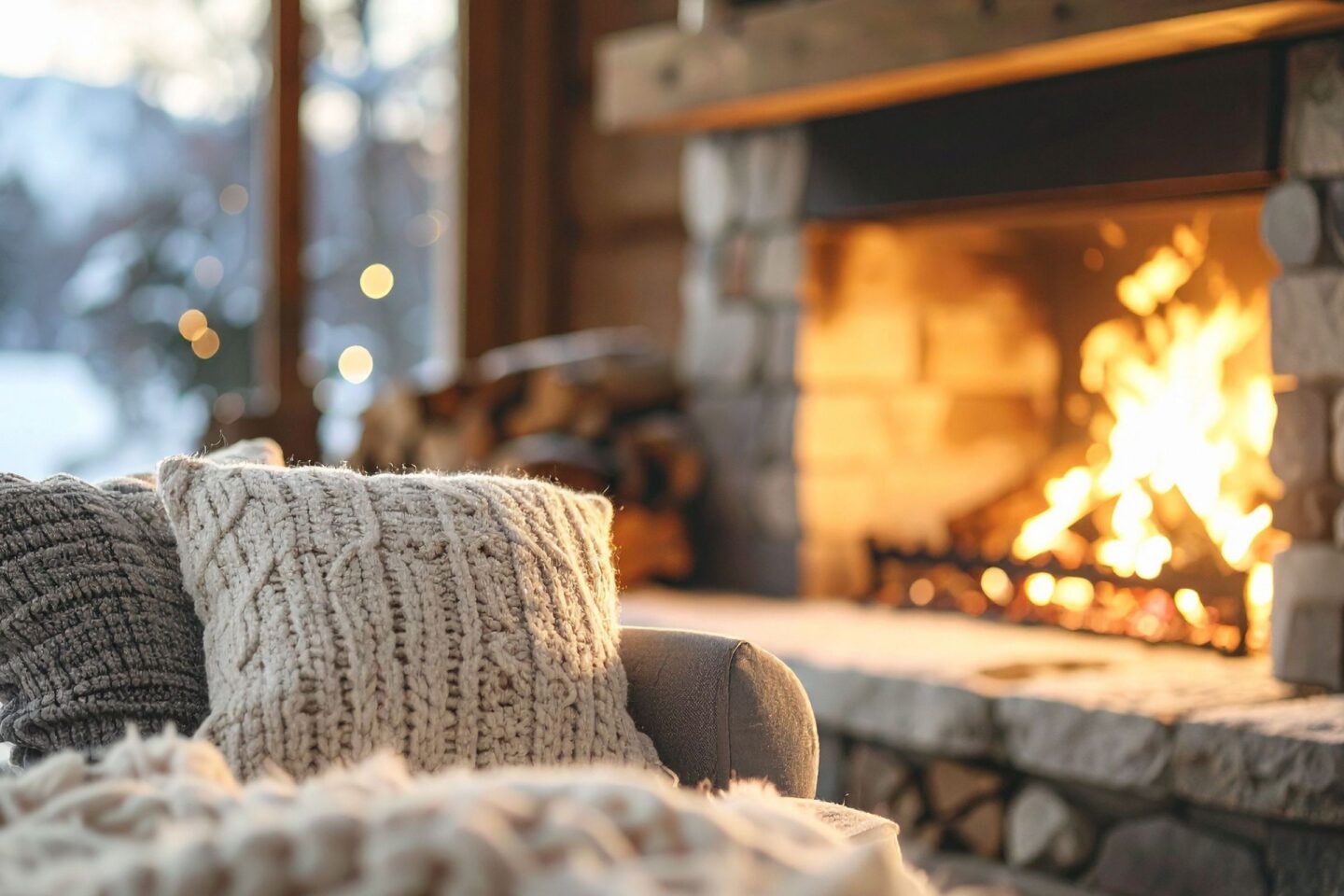
Winter in New Jersey brings beautiful snowy landscapes, cozy nights, and chilly mornings. For many homeowners, a fireplace or wood stove is an essential part of staying warm. Using firewood safely and correctly not only keeps your home comfortable but also protects your family and property from fire hazards. With the right preparation and routine maintenance, you can enjoy a safe and efficient winter season.
Proper stacking and drying of firewood are important first steps. Wood that is stacked off the ground, with good airflow between logs, will stay dry and burn more predictably. A neat stack also reduces the chances of pests making a home in your woodpile. Always keep firewood at least a few feet from your home to avoid moisture issues and pests spreading toward your foundation.
When it comes time to bring wood inside, make sure the area around your fireplace or wood stove is clear of flammable items. Rugs, furniture, curtains, and holiday decorations should be kept at a safe distance. Stacking logs too close to a heat source can increase the risk of accidental ignition. Consider using a proper firewood rack or basket to store wood indoors, and sweep up loose bark or debris that can catch sparks.
Regular maintenance of your fireplace and chimney is essential for winter safety. Creosote buildup can accumulate inside your chimney over time, especially if firewood is not fully seasoned. This buildup is highly flammable and can cause dangerous chimney fires. Have your chimney inspected and cleaned by a professional before the peak of the heating season. A clean chimney improves airflow and reduces smoke in your home.
Ensure that your smoke and carbon monoxide detectors are working properly. Cold weather often keeps windows closed, which can allow harmful gases to build up if there is poor ventilation. Change the batteries in your detectors at the start of winter, and test them monthly to make sure they are functional. It is also wise to have a fire extinguisher readily accessible near your fireplace or stove.
Another important safety practice is to use a fireplace screen or glass doors. These barriers help keep sparks and hot embers from jumping into your living space. Burning only appropriate firewood and avoiding softwoods with high resin content, such as pine, also decreases excessive popping and flying sparks. Hardwood that is properly seasoned will burn more slowly and produce consistent heat.
Finally, never leave a fire unattended. Even a small spark can create a dangerous situation if left unsupervised. If you need to step out or go to sleep, fully extinguish the fire. Use tools designed for managing firewood and embers, such as a poker, ash shovel, and heat‑resistant gloves. Ashes should be cooled completely before disposal, and stored in a non‑combustible container away from your home.
Safety goes hand in hand with comfort. Taking the time to prepare your firewood properly, maintain your equipment, and observe safe practices will allow you to enjoy cozy winter nights without unnecessary risk. Wild Logs offers premium, kiln‑dried firewood that is ready to use and burns efficiently, helping you stay warm throughout the season while minimizing common safety concerns.
Frequently Asked Questions About Winter Firewood Safety
What is the best way to stack firewood for winter?
Place firewood on a raised surface with good airflow, and cover the top while leaving the sides open. This helps wood stay dry and prevents rot.
How often should I have my chimney cleaned?
Chimneys should be inspected and cleaned at least once per year before heavy use. This helps remove creosote buildup and reduces fire risk.
Can I burn any type of firewood in winter?
It’s best to burn hardwoods that are properly seasoned. Softwoods, like pine, tend to burn quickly, produce more smoke, and may lead to faster creosote accumulation.
Why is it important to test smoke and carbon monoxide detectors?
Winter means closed windows and doors, which can trap carbon monoxide. Functional detectors alert you to dangerous levels of smoke or gas buildup.
How can I safely dispose of fireplace ashes?
Let ashes cool completely and place them in a metal container stored away from any combustible materials. Ashes can remain hot for hours after the fire seems out.
What if my fireplace smokes back into the room?
Smoke backing up can be caused by airflow issues, closed dampers, or chimney obstructions. Having a professional inspect your chimney and ensuring proper ventilation can resolve this issue.