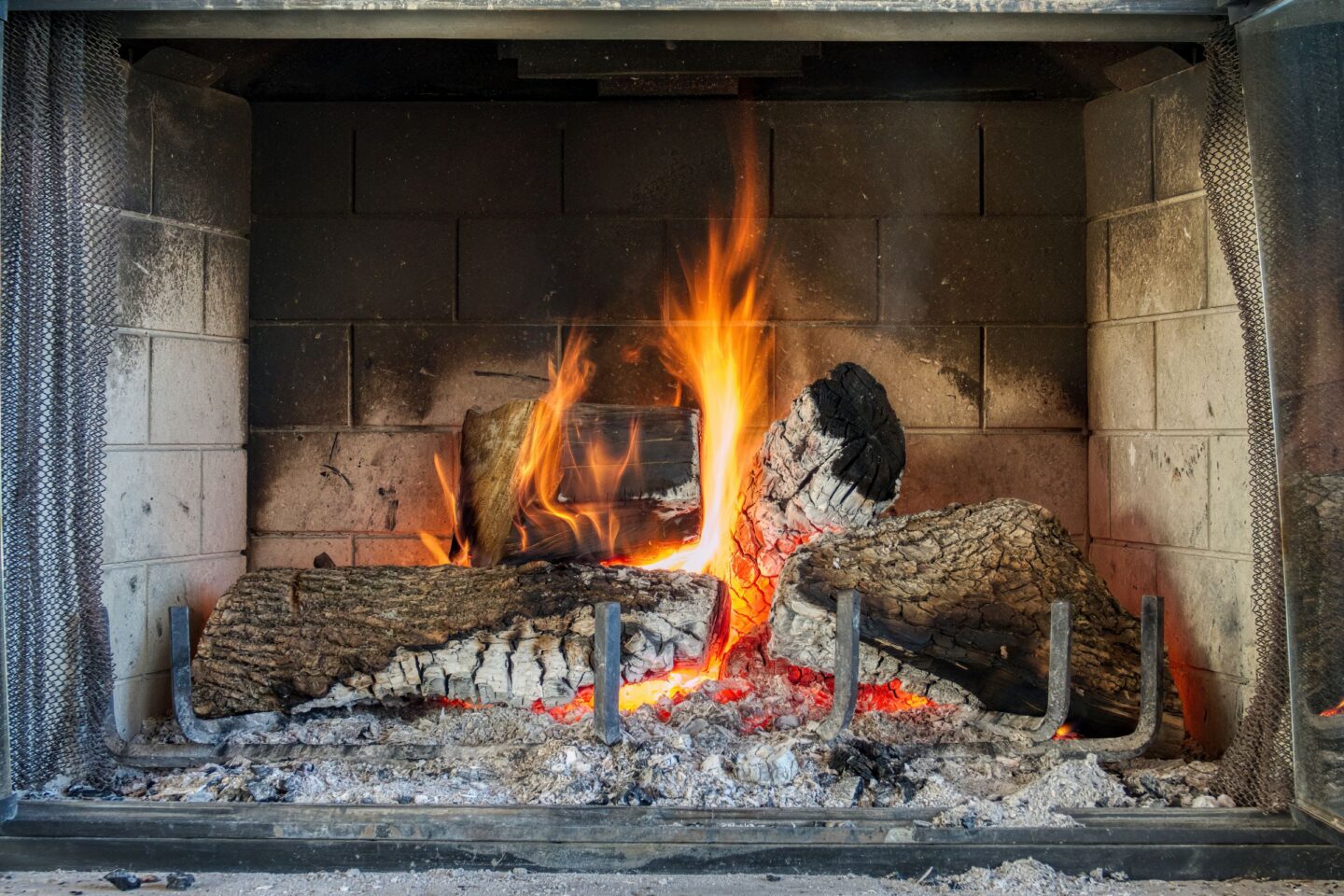
Keeping your home warm during the colder months in New Jersey means relying on your fireplace or wood stove as a key source of heat. But the type of firewood you choose and the way you use it can make a big difference in efficiency, cost, and comfort. Selecting the right wood and applying best practices for burning helps you get more heat from every log, produce less smoke, and enjoy a safer experience throughout the season.
One of the first steps in maximizing fireplace efficiency is choosing dense, seasoned hardwood. Hardwoods such as oak, maple, and hickory are denser and contain less moisture than softer woods. This results in a longer, hotter burn that radiates more heat into your living space. Hardwoods are especially effective in traditional open fireplaces, masonry fireplaces, and wood stoves that burn at higher temperatures. By burning hardwoods, you reduce the frequency of reloading and enjoy consistent warmth with fewer logs.
Properly seasoned firewood, whether air dried or kiln‑dried, is essential for efficient performance. Seasoning firewood means allowing it to dry until the wood moisture content is low enough to burn cleanly. Wood with too much moisture sits in the fireplace smoldering, using heat energy just to evaporate water instead of warming your room. Kiln‑dried firewood is prepped to have the ideal moisture level before you even stack it in your home, making it a time‑saving and efficient choice for New Jersey homeowners.
When stacking your wood inside, place it near—but not directly against—the fireplace or stove, ensuring it is dry and easy to access. A firewood rack or holder makes loading easier and keeps debris off the floor. Keep in mind that storing wood too close to a heat source can be a fire hazard, so maintain a safe distance while still ensuring convenience.
Managing airflow in your fireplace also influences efficiency. Before lighting a fire, open the damper fully to allow proper airflow. Good ventilation helps the fire draw oxygen, which boosts combustion and produces hotter flames. Once the fire is established, maintain airflow by adding small amounts of well‑seasoned firewood at a time. Avoid overcrowding the firebox; too many logs can restrict airflow, cause incomplete combustion, and lead to increased smoke.
Using tools designed for wood burning, such as a fire poker or ash shovel, helps maintain a strong and efficient fire. Arranging logs in a “top‑down” lighting method—placing larger logs at the bottom and kindling on top—can also create a more efficient burn by allowing heat to reach the logs more evenly. As logs burn down, maintain the structure so air continues to circulate through the remaining wood.
Another tip for maximizing efficiency is cleaning and maintaining your fireplace and chimney regularly. Creosote buildup can restrict airflow and reduce the ability of your fireplace to draw heat into the home. A clean chimney not only improves airflow but also decreases smoke and prevents dangerous chimney fires. A professional inspection before winter ensures that your system is ready for frequent use.
Reduce heat loss by using fireplace accessories designed to improve efficiency, such as a fireplace insert, glass doors, or a heat‑exchanging grate. These tools help trap more warm air inside your home rather than letting it escape up the chimney. Using a fan or blower system designed for fireplaces can also push warm air back into the room, making each log work harder for you.
Lastly, practicing safe habits such as never leaving a fire unattended and using screens to prevent sparks from escaping helps create a secure environment while maintaining heat output. Observing proper burning practices means fewer cold spots in your home and a more efficient use of each piece of firewood.
Maximizing your fireplace efficiency begins with the right firewood and continues with thoughtful care of your burning system and environment. When you choose premium kiln‑dried firewood that is seasoned and ready to burn, you set the foundation for a warmer, safer, and more comfortable winter at home.
Frequently Asked Questions About Fireplace Efficiency
What type of firewood burns the hottest?
Dense hardwoods such as oak and hickory burn hotter and longer than softer woods, making them more efficient for heating your home.
Does moisture content really affect fireplace performance?
Yes. Firewood with high moisture content uses heat to evaporate water instead of heating your home. Properly seasoned wood burns cleanly and efficiently.
How should firewood be stored for best results?
Stack wood off the ground with good airflow and cover it on top to keep rain and snow off. For indoor storage, keep it a safe distance from heat sources.
Can I improve efficiency with fireplace accessories?
Yes. Inserts, glass doors, and heat‑exchanging grates help trap and circulate heat more effectively.
How often should my chimney be inspected?
A professional inspection and cleaning at least once per year helps ensure optimal airflow and reduces creosote buildup.
Why does my fireplace produce more smoke than heat?
Smoke often indicates poor airflow, wet wood, or excessive creosote. Using dry, seasoned wood and maintaining proper ventilation reduces smoke and increases heat.