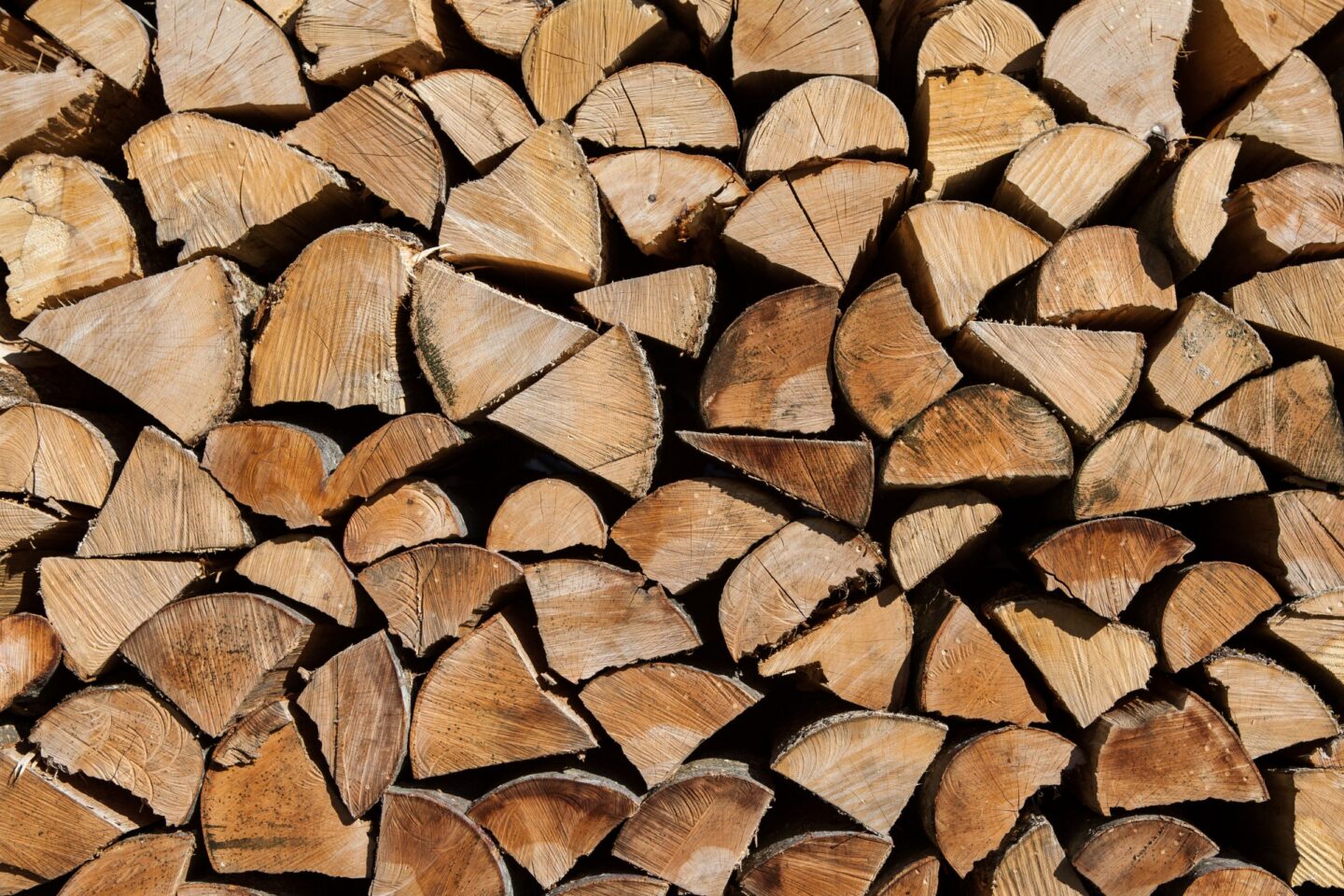
Winter in New Jersey is a season worth preparing for, especially when it comes to keeping your home warm and your cooking experiences flavorful. Whether you’re relying on your fireplace to heat your living space or firing up a smoker or outdoor grill, knowing which firewood to choose makes a noticeable difference. Not all firewood types burn the same or offer the same flavor experience, so selecting the right wood enhances performance, heat output, and even the taste of smoke‑infused cooking.
One of the most commonly preferred firewood types in New Jersey is oak. Oak wood is a dense hardwood that burns slowly and steadily, producing long‑lasting heat that’s ideal for prolonged fireplace use. Because it burns at a consistent temperature, oak is also widely used for grilling larger cuts of meat and smoking brisket or pork shoulder. Its reliable burn and moderate smoke level make it a versatile choice for both heating and cooking.
Maple firewood is another popular option across New Jersey households this winter. Maple burns cleanly with a moderate heat output that is excellent for indoor fireplaces and cozy nights by the hearth. It produces less smoke compared to some other hardwoods, making it a good choice when you want warmth without excessive soot or strong odors. In outdoor cooking, maple adds a subtly sweet smokiness that pairs well with poultry and vegetables.
Cherry wood stands out for its mild and slightly sweet flavor. While it may not burn as long as oak, it produces a pleasant aroma and gentle smoke that enhances flavor profiles. Cherry is especially favored for smoking fish and poultry or grilling summer vegetables on crisp winter evenings. Its aromatic quality makes it a favorite among users who appreciate both heat and flavor nuances.
Hickory firewood is known for its bold and hearty smoke, delivering rich flavor that frequently tops the list for barbecue and smoking enthusiasts. Hickory’s intense smoke works beautifully with pork, ribs, and stronger meats, giving dishes a traditional smoky taste that many New Jersey grillmasters seek. Because it burns hotter and faster than lighter woods, hickory is often used in combination with other hardwoods to balance heat and flavor.
Aside from these core hardwoods, specialty woods like beech, walnut, and cedar also find use throughout the state. Beech produces a steady heat and mild smoke, making it great for indoor fireplaces and long burns. Walnut offers a sweet and rich smokiness that pairs nicely with more delicate proteins, while cedar provides a distinctive aromatic quality that can enhance outdoor grilling experiences, especially for fish or game.
Properly seasoned firewood is important regardless of the type you choose. Seasoning refers to the drying process that reduces moisture content, which in turn improves burning efficiency and produces less smoke. Well‑seasoned wood ignites easier and generates consistent heat, helping fireplaces and wood‑fired cooking systems perform at their best. Kiln‑dried wood is an excellent choice because it is processed to the ideal moisture level before usage, making it ready to burn without extended outdoor drying.
Understanding firewood characteristics helps you make informed decisions based on how you plan to use it. For heating your home during chilly nights, choosing denser woods like oak or beech ensures long, slow burns. For cooking or smoking, woods like hickory, cherry, or walnut unlock flavor profiles that elevate your favorite winter recipes.
Keeping a variety of firewood on hand allows you to match the wood type with your specific needs, whether it’s sustaining warmth, enriching taste, or combining both. New Jersey’s most popular firewood types each bring something unique to your fireplace and grill, making winter a season of comfort and remarkable flavor experiences.
Frequently Asked Questions About Firewood Types in New Jersey
What firewood burns hottest for heating?
Dense hardwoods like oak and hickory burn hotter and longer, making them excellent for heating homes during cold winter nights.
Why should firewood be seasoned before burning?
Seasoned firewood has lower moisture content, which leads to cleaner burns, consistent heat output, and less smoke. Kiln‑dried wood is prepped to the ideal dryness.
Which firewood is best for flavor when cooking or smoking?
Hickory delivers bold smoke flavor, while cherry and walnut provide sweeter, more aromatic smoke ideal for grilling and smoking poultry or fish.
Can I mix different types of firewood?
Yes. Mixing woods with varied smoke intensity and burn rates creates balanced heat and a nuanced flavor profile when cooking or smoking.
Does the type of firewood impact smoke levels?
Yes. Denser hardwoods tend to produce less smoke and more consistent heat than softwoods. Softwoods like pine can produce excess smoke and creosote.
Is there a difference between cooking firewood and heating firewood?
Cooking firewood focuses on flavor impact and smoke quality, while heating firewood emphasizes burn time and heat output. Some woods, like oak, serve both purposes well.